Boutique hotels in berlin offer a unique blend of charm and style, setting the stage for an unforgettable travel experience. These hotels are distinctively designed, often reflecting the local culture and history, making them more than just places to stay. Over the past decade, the boutique hotel scene in Berlin has blossomed, with more travelers seeking personalized services and unique aesthetics that traditional hotels often lack.
From luxurious amenities to unique design themes, boutique hotels stand out in the vibrant Berlin landscape, enhancing the overall visitor experience while providing the comforts of home. They are not just accommodations; they are gateways to the city’s culture, art, and culinary delights.
Overview of Boutique Hotels in Berlin
Boutique hotels in Berlin have emerged as a significant travel trend, attracting visitors with their distinct charm and personalized experiences. These smaller, stylish establishments are known for their unique character and design, often reflecting the local culture and artistry. With the rise of travelers seeking authentic and immersive experiences, boutique hotels have carved a niche that appeals to a wide range of guests.Boutique hotels are typically characterized by their intimate settings, artistic decor, and tailored service.
Unlike traditional hotels, which may prioritize uniformity and predictability, boutique hotels focus on individuality and creativity. They often feature locally sourced furnishings, one-of-a-kind artwork, and bespoke amenities, creating an atmosphere that feels more like a home than a commercial establishment. This focus on aesthetics and guest experience makes boutique hotels a popular choice for travelers looking to escape the ordinary.
Growth of Boutique Hotels in Berlin
Over the past decade, Berlin has witnessed a notable increase in the number of boutique hotels, reflecting the city’s evolving hospitality landscape. The rise of these hotels is not only a response to the growing demand for unique accommodations but also highlights Berlin’s status as a cultural hub. Key statistics demonstrate this trend:
- In 2010, there were approximately 60 boutique hotels in Berlin; by 2020, this number had more than doubled to over 130.
- According to recent reports, boutique hotels in Berlin have seen an average annual growth rate of around 12%, significantly outpacing the growth of traditional hotel segments.
- Visitors to boutique hotels tend to stay longer, with an average stay of 3.5 nights compared to 2.7 nights in conventional hotels, indicating a preference for immersive travel experiences.
The surge in boutique hotels has not only diversified the accommodation options in Berlin but has also contributed to the local economy. These establishments often collaborate with local artisans, restaurants, and cultural institutions, fostering a vibrant ecosystem that benefits the surrounding community. As travelers increasingly prioritize unique and memorable experiences, the growth of boutique hotels is likely to continue, cementing Berlin’s reputation as a top destination for discerning visitors.
“Boutique hotels offer a distinct blend of comfort, style, and local flavor, making them the preferred choice for those seeking more than just a place to rest their heads.”
Popular Boutique Hotels in Berlin
Berlin is known for its rich history, vibrant culture, and eclectic architecture, making it a prime location for boutique hotels that reflect the city’s unique character. These hotels offer personalized experiences, stylish décor, and a range of amenities that cater to both leisure and business travelers. Here’s a look at some of the most popular boutique hotels in the city, each with its own distinctive charm.
Top Five Boutique Hotels in Berlin
When choosing a boutique hotel in Berlin, it’s essential to consider not only the aesthetic appeal but also the amenities and services that enhance your stay. Here are five standout options:
-
Hotel am Steinplatz
Located in the Charlottenburg district, Hotel am Steinplatz combines modern luxury with historical elegance. This boutique hotel offers a variety of amenities, including a wellness area with a sauna and fitness center. Unique design elements like vintage furniture and art deco accents create a sophisticated atmosphere. The on-site restaurant serves gourmet dishes that emphasize locally sourced ingredients. -
The Jules Berlin
The Jules Berlin stands out with its minimalist design and contemporary artwork. Located near the famous Kurfürstendamm shopping street, this hotel offers amenities like a 24-hour front desk, complimentary Wi-Fi, and a cozy café serving breakfast and light meals. The unique feature of this hotel is its focus on sustainability, incorporating eco-friendly practices throughout its operations. -
25hours Hotel Bikini Berlin
This vibrant hotel is located in the heart of Berlin, overlooking the Berlin Zoo. Its playful design includes a mix of vintage and modern furniture, with themed rooms that reflect the local culture. Guests can enjoy amenities such as a rooftop bar with stunning views, a wellness area, and a 24-hour gym.The hotel also features a unique library space that promotes relaxation and social interaction.
-
SO/ Berlin Das Stue
Housed in a former embassy building, SO/ Berlin Das Stue blends luxury with a sense of history. The hotel includes an upscale restaurant, a spa, and an outdoor pool. One of its standout features is the sophisticated design by famed architect Patricia Urquiola, with elements that pay homage to Berlin’s architectural heritage.The hotel’s proximity to the Tiergarten park offers guests a serene escape in the city.
-
Michelberger Hotel
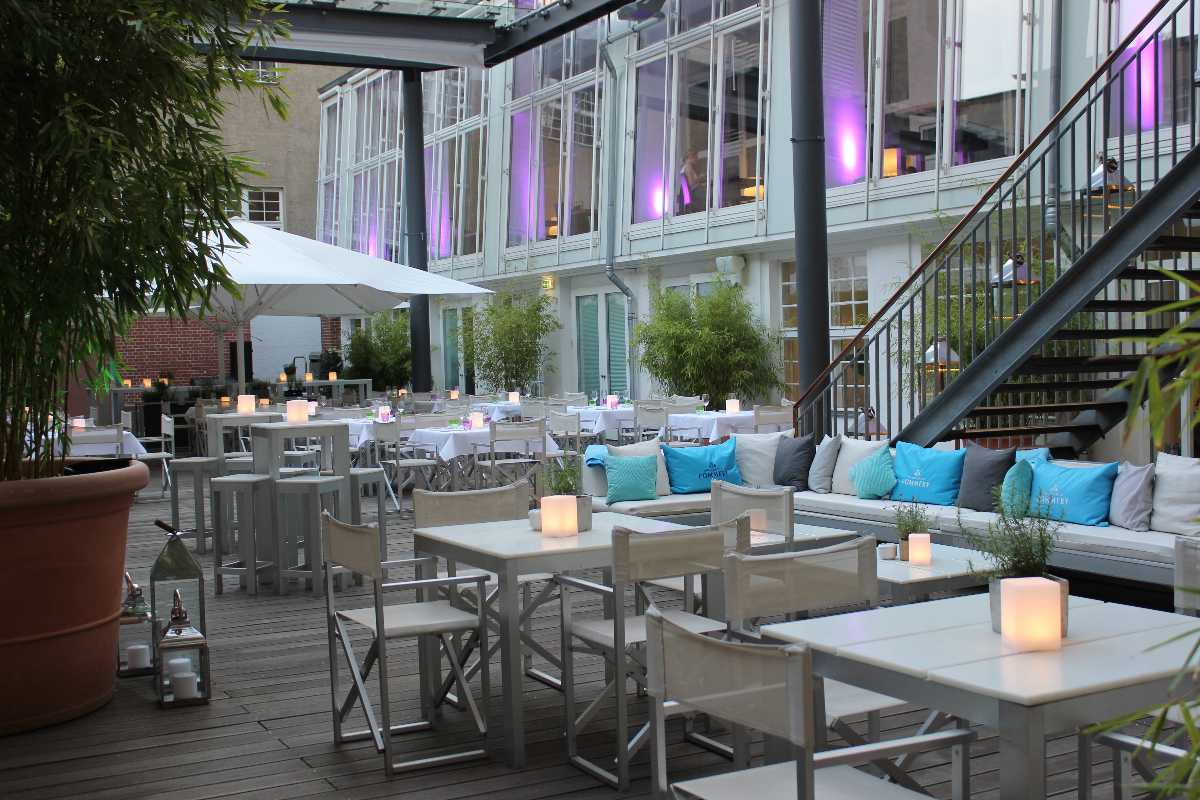
Known for its creative and artistic vibe, Michelberger Hotel is a favorite among young travelers. The hotel features eclectic room designs, a lively bar, and a restaurant that serves organic and locally sourced food. Its unique communal spaces, such as a cozy lounge with vintage décor and an outdoor terrace, encourage social interaction among guests, making it a welcoming environment for all.
Location and Accessibility: Boutique Hotels In Berlin
Berlin is a city that thrives on diversity, and its boutique hotels are no exception. Nestled in various neighborhoods, each with its own unique character, these hotels offer travelers a glimpse into the local culture while providing an intimate and stylish stay. The accessibility of these areas is a significant factor, making it easy for visitors to explore the city’s vibrant attractions and experiences right at their doorstep.Key neighborhoods known for their collection of boutique hotels include Mitte, Kreuzberg, Prenzlauer Berg, and Charlottenburg.
These areas not only boast a range of unique accommodations but also serve as excellent bases for discovering Berlin. Thanks to the city’s efficient public transport system, getting around is both convenient and affordable. The extensive network of U-Bahn (subway), S-Bahn (commuter train), trams, and buses ensures that you can reach any part of the city quickly.
Mitte
Mitte is often regarded as the heart of Berlin, with an eclectic mix of history and modernity. It is home to many boutique hotels that offer a stylish stay while being close to iconic landmarks such as the Brandenburg Gate and Museum Island. The neighborhood’s accessibility is enhanced by multiple U-Bahn and S-Bahn stations, including Friedrichstraße and Alexanderplatz, making it easy to navigate both the central and outer areas of Berlin.
Nearby attractions abound, including:
- The Berlin Wall Memorial, which provides insight into the city’s divided past.
- The vibrant Hackescher Markt, known for its shops, restaurants, and nightlife.
- The historic Unter den Linden boulevard, perfect for a leisurely stroll.
Mitte’s charm lies not just in its sights but also in its trendy cafes and art galleries, making it a culture-lover’s paradise.
Kreuzberg
Kreuzberg is a district celebrated for its bohemian vibe and multicultural atmosphere. This area offers a variety of boutique hotels that reflect its artistic spirit. Accessible via the U-Bahn stations like Kottbusser Tor and Görlitzer Bahnhof, getting around the city from Kreuzberg is seamless. Attractions nearby include:
- The East Side Gallery, a long stretch of the Berlin Wall adorned with vibrant street art.
- The bustling Markthalle Neun, a food market offering local delicacies and gourmet experiences.
- Tempelhofer Feld, a vast park on the site of a former airport, perfect for outdoor activities.
Kreuzberg’s dynamic street life and diverse culinary offerings make it a must-visit for foodies and adventurers alike.
Prenzlauer Berg, Boutique hotels in berlin
Prenzlauer Berg is known for its charming streets lined with historic buildings and a laid-back ambiance. Boutique hotels here often feature unique designs and cozy atmospheres. Accessing this neighborhood is simple through trams and the U-Bahn, particularly the Eberswalder Straße station.Attractions worth exploring include:
- The Kollwitzplatz, a picturesque square surrounded by cafes and boutiques.
- The Mauerpark, famous for its flea market and open-air karaoke.
- The many playgrounds and green spaces, ideal for families.
Prenzlauer Berg is a delightful neighborhood that offers a taste of both the old and the new Berlin.
Charlottenburg
Charlottenburg is characterized by its elegant architecture and sophisticated atmosphere. Known for its boutique hotels that cater to those looking for a touch of luxury, this area is easily navigable via the U-Bahn and is close to key attractions. Nearby sites include:
- The Charlottenburg Palace, showcasing stunning baroque architecture and beautiful gardens.
- The renowned Kurfürstendamm, a famous shopping boulevard filled with high-end stores and cafes.
- The Berlin Zoo, one of the oldest and most famous zoos in the world.
In Charlottenburg, guests can enjoy a blend of culture, shopping, and relaxation, all within a short distance from their boutique hotel.
Customer Experience and Reviews
Boutique hotels in Berlin have gained a reputation for providing unique and memorable experiences, as reflected in the diverse reviews from guests. Customers often share their thoughts on personalized service, distinctive design, and the overall atmosphere of these intimate accommodations. As travelers seek authenticity and creativity, the reviews of boutique hotels highlight what sets them apart from traditional hotel chains.A common theme found in customer reviews is the emphasis on exceptional service.
Guests frequently note that staff members go above and beyond to ensure their comfort and satisfaction. The personalized attention they receive often includes thoughtful gestures, such as tailored recommendations for local attractions and dining experiences, or even small surprises like welcome treats or customized room settings. This dedication to guest experience fosters a sense of connection and warmth, resonating with visitors long after their stay.
Common Themes in Customer Reviews
The experiences shared by guests in their reviews often emphasize several key aspects that contribute to their satisfaction. These elements reflect the unique appeal of boutique hotels:
-
Personalized service
: Many guests appreciate the individual attention from staff, who often remember names and preferences.
-
Unique design and atmosphere
: Reviewers consistently mention the distinctive decor and ambiance that set boutique hotels apart, creating memorable stays.
-
Local insights
: Guests value the insider tips provided by staff, helping them discover hidden gems around Berlin.
-
Comfort and cleanliness
: High standards of cleanliness and comfort are frequently highlighted, contributing to an enjoyable experience.
-
Value for money
: Many guests feel they receive excellent value for the quality of service and amenities offered.
Customer satisfaction ratings indicate a notable preference for boutique hotels over larger hotel chains in Berlin. Guests often report a higher level of satisfaction in boutique settings, where they can experience a more intimate atmosphere, unique character, and personal touch.
Comparison of Customer Satisfaction Ratings
When comparing customer satisfaction ratings between boutique hotels and larger hotel chains, boutique hotels tend to excel in several key areas. Research and review platforms often reflect this trend, with boutique properties leading in aspects such as:
-
Guest ratings
: Boutique hotels frequently achieve higher average ratings on platforms like TripAdvisor and Booking.com compared to mainstream chains.
-
Review volume
: Boutique hotels often receive more heartfelt reviews, reflecting not just satisfaction but genuine emotional connections made during stays.
-
Return visits
: A significant number of guests express intentions to return to boutique hotels, indicating lasting impressions and loyalty.
Overall, the customer experience and reviews of boutique hotels in Berlin reveal a clear preference for personalized, unique, and memorable stays, setting them apart from larger hotel chains. The emphasis on individualized service and authentic experiences resonates with travelers seeking more than just a place to rest their heads.
Trends in Boutique Hotel Design
In the vibrant city of Berlin, boutique hotels have become a canvas for innovative design that reflects both contemporary trends and the rich local culture. These establishments are not just places to stay; they are immersive experiences that capture the essence of the city in their aesthetic. The current design landscape is an exciting blend of sustainability, local craftsmanship, and bold creativity, making each hotel unique.One of the most striking trends in boutique hotel design in Berlin is the emphasis on sustainability.
Many new openings are prioritizing eco-friendly materials and energy-efficient systems. This trend is not just about being environmentally responsible; it’s also about creating a warm, inviting atmosphere that feels connected to the surrounding environment. Local craftsmanship plays a crucial role, with many hotels incorporating elements sourced from nearby artisans, which fosters a sense of community and cultural connection.
Reflection of Local Culture and History
The design of boutique hotels in Berlin often pays homage to the city’s storied past while embracing modernity. This blend is evident in the choice of decor, architecture, and even the narratives that hotels choose to tell through their spaces. For instance, many hotels have restored historical buildings, preserving original features such as exposed brick walls or vintage fixtures, while selectively integrating contemporary furnishings.
- Hotel Zoo Berlin: Originally opened in 1891, this hotel has undergone a stunning transformation. The design merges classic Berlin elegance with modern luxury, featuring bold colors, quirky art, and vintage furniture that echo the city’s eclectic spirit.
- 25hours Hotel Bikini Berlin: This innovative hotel showcases a unique blend of vintage and modern aesthetics. With its rooftop terrace offering stunning views of the Berlin Zoo and a design focused on local materials, it resonates with the city’s vibrant urban life.
- SO/ Berlin Das Stue: A former embassies building, this boutique hotel features design elements that reflect its historical significance. The interiors are a seamless blend of Scandinavian minimalism and classic Berlin style, showcasing local art and culture.
Design concepts in these hotels often involve the use of natural light, open spaces, and communal areas that encourage interaction among guests. The incorporation of local art is another defining feature; many hotels feature works from Berlin artists, providing a platform for creativity and connection with the local arts scene.
“Boutique hotels are where style meets substance, bringing the heart of Berlin into every corner.”
As the boutique hotel scene in Berlin evolves, innovative design continues to push boundaries, creating spaces that are not only visually appealing but also deeply connected to their cultural roots. This approach ensures that each stay is not just a visit but an experience steeped in the fabric of the city itself.
Sustainability Practices in Boutique Hotels
Boutique hotels in Berlin are increasingly prioritizing sustainability, reflecting a growing awareness of the environmental impact of tourism. These establishments are not just about unique design and personalized service; they are also committed to eco-friendly practices that contribute to a greener planet. By integrating sustainable practices into their operations, they play a crucial role in promoting responsible tourism while appealing to environmentally conscious travelers.One of the hallmark features of sustainability in boutique hotels is their commitment to reducing energy consumption and minimizing waste.
Many hotels have adopted energy-efficient systems, such as LED lighting and smart thermostats, which optimize energy use. Additionally, these hotels often incorporate renewable energy sources, such as solar panels, to lessen their carbon footprint. Water conservation is another significant focus, with practices like low-flow fixtures and greywater recycling systems implemented to preserve this precious resource.
Eco-Friendly Practices Adopted by Boutique Hotels
Sustainability in boutique hotels is manifested through various eco-friendly practices. These practices not only enhance operational efficiency but also contribute to a more sustainable tourism framework. The following points highlight key initiatives adopted by these establishments:
- Locally Sourced Products: Many boutique hotels prioritize local suppliers for food and amenities, which supports the local economy and reduces transportation emissions.
- Waste Reduction Programs: Initiatives such as composting organic waste and recycling materials help minimize landfill contributions.
- Green Certifications: Numerous hotels seek eco-labels such as Green Key or EarthCheck, demonstrating their commitment to sustainability standards.
- Organic and Fair-Trade Amenities: Providing guests with organic toiletries and fair-trade coffee aligns with ethical consumption practices.
- Community Engagement: Some hotels organize events and activities that encourage guests to participate in local conservation efforts, enhancing visitor experiences while benefiting the community.
Contribution to Sustainable Tourism
Boutique hotels significantly contribute to sustainable tourism by setting high standards for environmental responsibility and encouraging guests to adopt similar values. They often educate travelers on local ecosystems and culture, fostering respect for the destinations they visit. By implementing initiatives that promote sustainability, these hotels help mitigate the negative impacts of mass tourism. For instance, some hotels offer carbon offset programs that allow guests to contribute funds towards local reforestation projects or renewable energy initiatives.
This not only helps counterbalance the carbon emissions associated with travel but also encourages guests to engage more meaningfully with their travel choices.
Case Studies of Successful Green Initiatives
Several boutique hotels in Berlin have become pioneers of sustainable practices, showcasing how innovative approaches can successfully merge hospitality with environmental responsibility.
Hotel AMANO Grand Central
This hotel has adopted a comprehensive energy management system, which has led to a significant reduction in energy consumption. By using an intelligent heating system and double-glazed windows, the hotel maintains a comfortable environment while minimizing energy waste.
Michelberger Hotel
Known for its creative design, Michelberger Hotel prioritizes sustainability by using recycled materials in its furnishings and décor. The hotel also sources food from local farms, offering a menu that supports regional agriculture and minimizes food miles.
Lulu Guldsmeden
This eco-conscious hotel implements a wide array of sustainable initiatives, including organic bedding and energy-efficient appliances. Lulu Guldsmeden is known for its commitment to zero waste, with an extensive recycling program and a focus on reducing single-use plastics.These case studies exemplify how boutique hotels can successfully implement green initiatives, turning sustainability into a core aspect of their brand identity while providing guests with a unique and responsible experience.
Culinary Experiences in Boutique Hotels

Berlin’s boutique hotels are not just a haven for travelers looking for unique accommodations; they also offer remarkable culinary experiences that elevate the stay to new heights. Each hotel often has its distinct dining concept, which reflects the local culture and the hotel’s personality. From sophisticated fine dining to cozy bistros and innovative rooftop bars, the culinary scene in these boutique establishments provides guests with a taste of Berlin’s vibrant gastronomic landscape.Boutique hotels in Berlin often prioritize quality over quantity in their dining options, showcasing a range of dishes made from locally sourced ingredients.
Unlike larger hotels that can have multiple dining venues, boutique hotels typically focus on crafting a singular memorable dining experience. Many feature signature restaurants helmed by renowned chefs, providing a platform for innovative cuisine that combines traditional German flavors with modern techniques.
Dining Options in Boutique Hotels
The dining options within boutique hotels in Berlin vary widely, offering something for every palate. Here are some noteworthy examples:
- Local Cuisine: Many boutique hotels feature restaurants that specialize in regional dishes, often revisiting classic German recipes with a modern twist. For instance, a hotel might offer a reimagined version of Wiener Schnitzel, incorporating organic meats sourced from local farms.
- International Flavors: Some hotels embrace global cuisine, presenting dishes inspired by international culinary traditions. Fusion restaurants blend various influences, offering guests a chance to explore flavors from around the world without leaving the hotel.
- Rooftop Bars and Cafés: Stunning rooftop venues provide an opportunity to enjoy casual dining and drinks with breathtaking city views. Guests can savor craft cocktails or artisanal coffees alongside light bites while soaking in the atmosphere of Berlin’s skyline.
- Unique Dining Experiences: Certain boutique hotels curate special culinary events, such as chef’s table dinners, where guests can interact with the chefs and learn about their culinary philosophies. These intimate settings often include wine pairings and seasonal menus.
Comparative Quality of Restaurant Offerings
In comparison to larger hotel chains, boutique hotels in Berlin tend to focus on creating a unique dining identity rather than overwhelming guests with options. The quality of food and service is often prioritized, leading to a more personalized dining experience. A few key aspects differentiate boutique hotel dining from larger establishments:
- Personalized Service: With fewer guests to serve, boutique hotels can provide attentive service, ensuring that each diner’s needs are met with precision and care.
- Creative Menus: Many boutique hotel restaurants feature seasonal menus that change frequently, allowing chefs to experiment and showcase their creativity, often leading to dishes that are both innovative and delicious.
- Ambiance and Design: The dining spaces in boutique hotels are often designed with a unique aesthetic in mind, enhancing the overall experience and making it more memorable. This can range from vintage decor to minimalist modern designs that reflect the hotel’s character.
“In boutique hotels, dining is not just about the food; it’s an experience that engages all the senses.”
The greater attention to detail and the emphasis on quality ingredients help create an inviting atmosphere that invites guests to linger, savor, and share their culinary experiences with others. Berlin’s boutique hotels exemplify how a focus on authentic, high-quality dining can transform a regular stay into an extraordinary culinary journey.
Booking Tips for Boutique Hotels

When it comes to booking a boutique hotel in Berlin, making the right choice can enhance your overall travel experience. These unique accommodations often provide personalized services and distinct aesthetics that reflect the local culture. To help you select the perfect spot for your stay, here’s a comprehensive checklist along with tips for finding great deals.
Checklist for Selecting the Best Boutique Hotel
Choosing the right boutique hotel can be a balance of personal taste and practical considerations. The following checklist will ensure you cover all essential aspects in your selection process:
- Location: Look for hotels situated near attractions, public transport, and dining options to maximize your experience.
- Amenities: Determine which amenities are important to you, such as free Wi-Fi, breakfast options, or spa services.
- Style and Design: Consider the hotel’s aesthetic and ambiance. Each boutique hotel has its own character, which should appeal to your personal preference.
- Reviews: Check recent customer reviews on platforms like TripAdvisor or Google to gauge the overall satisfaction of previous guests.
- Price Range: Set a budget before you start looking and ensure the hotel fits within your financial plan.
- Booking Flexibility: Look for cancellation policies that suit your travel needs, especially if plans may change.
- Unique Experiences: Seek hotels that offer exclusive experiences like local tours, culinary classes, or art exhibitions.
- Sustainability Practices: If eco-friendliness is important to you, inquire about the hotel’s sustainability initiatives.
Finding Deals and Discounts on Boutique Hotels
Finding the best deals on boutique hotels can save you money without sacrificing quality. Here are some strategies to help you score a great rate:
- Use Comparison Sites: Websites like Kayak or Trivago allow you to compare prices across multiple platforms to find the best deal.
- Book Directly: Sometimes, booking directly through the hotel’s website offers special deals or perks that third-party sites do not provide.
- Sign Up for Newsletters: Hotels often send exclusive discounts or last-minute deals to subscribers of their newsletters.
- Membership Discounts: Check if you can benefit from discounts associated with organizations like AAA or AARP.
- Social Media Promotions: Follow your favorite hotels on social media; they often announce flash sales or special offers.
- Travel Packages: Look for travel packages that include flights and accommodations, which can sometimes offer significant savings.
- Off-Peak Travel: Traveling during the off-peak season can result in lower rates and fewer crowds.
Timing for Booking Boutique Hotels
Knowing when to book can significantly influence both availability and pricing for boutique hotels. Here are some key insights on timing:
- Advance Booking: Aim to book your boutique hotel at least 2-3 months in advance, especially during peak tourist seasons for better availability and rates.
- Last-Minute Deals: If you’re flexible with your travel dates, consider last-minute bookings which can sometimes lead to surprisingly low rates as hotels aim to fill rooms.
- Weekday vs. Weekend: Rates can fluctuate based on the day of the week. Weekdays might offer lower prices compared to weekends, which are often busier.
- Seasonal Trends: Research the seasonal trends in Berlin; booking during shoulder seasons can often yield better rates and experiences.
- Events and Festivals: Be aware of local events or festivals when planning your stay, as hotels may book up quickly and rates can increase significantly during these times.
Cultural Experiences and Events
Berlin is a city that pulses with creativity and innovation, and boutique hotels play a vital role in amplifying this vibrant cultural scene. They serve not only as places to stay but as platforms for cultural exchange, often hosting events that showcase local talent and foster community engagement. From art exhibitions to music performances, these hotels create immersive experiences that allow guests to connect with Berlin’s diverse artistic landscape.Boutique hotels in Berlin often collaborate with local artists, musicians, and cultural organizations to curate a calendar full of enriching activities.
These partnerships not only enhance the guest experience but also contribute to the local economy and cultural fabric of the city. By hosting workshops, exhibitions, and performances, boutique hotels become cultural hubs that engage both visitors and locals alike.
Events and Workshops Hosted by Boutique Hotels
Many boutique hotels in Berlin offer a variety of cultural events and workshops throughout the year, enhancing the visitors’ experience and providing a unique insight into the local culture. These events can include:
- Art Exhibitions: Many hotels partner with local galleries to showcase emerging artists, providing a platform for creativity and allowing guests to experience contemporary art in an intimate setting.
- Live Music Performances: From jazz nights to classical concerts, boutique hotels frequently host live music events, inviting local musicians to perform and creating a lively atmosphere for guests.
- Culinary Workshops: Some hotels organize cooking classes or tastings featuring local cuisine, allowing guests to engage with Berlin’s culinary scene hands-on.
- Craft Workshops: Crafting classes in areas such as pottery, painting, or textile arts provide guests with a chance to explore their creative sides while learning from skilled artisans.
Collaborations with Local Artists and Businesses
Boutique hotels in Berlin actively seek partnerships with local artists and businesses to enrich their offerings. By collaborating with creatives, these hotels not only support the local art scene but also provide guests with unique experiences that reflect the city’s identity. Examples of such collaborations include:
- Artist-in-Residence Programs: Hotels may host artists for a set period, allowing them to create works on-site and engage with guests through open studios or discussions.
- Local Business Partnerships: Collaborations with nearby cafes, restaurants, and shops allow hotels to provide curated experiences, such as guided tours or discounts, that showcase the best of Berlin.
- Themed Events: Seasonal events may be organized in collaboration with local businesses, such as holiday markets or food festivals, making the hotel a vibrant part of the community.
Promoting Berlin’s Arts and Culture Scene
Boutique hotels have a significant role in promoting Berlin’s arts and culture scene by acting as ambassadors of the city’s rich heritage. Their initiatives help to highlight the work of local artists and provide platforms for cultural dialogue. Important aspects of this promotion include:
- Community Engagement: By hosting events that invite local participation, hotels foster connections between residents and visitors, bridging the gap between different cultural backgrounds.
- Showcasing Local Talent: Hotels often highlight local artists in their decor and events, showcasing the work of painters, photographers, and sculptors, thus enriching the hotel environment.
- Support for Cultural Initiatives: Many boutique hotels contribute to local arts organizations and initiatives, helping to fund events and projects that enhance the cultural landscape of Berlin.
Future of Boutique Hotels in Berlin
The future of boutique hotels in Berlin is poised to be shaped by a blend of innovative trends and emerging challenges. As travelers increasingly seek unique, personalized experiences, boutique hotels must adapt to meet these demands while navigating a competitive landscape. Understanding these dynamics will be crucial for hoteliers aiming to thrive in this vibrant city.
Emerging Trends Influencing Boutique Hotels
The landscape of boutique hotels is constantly evolving, with several key trends likely to impact their future in Berlin. As guests prioritize unique experiences, boutique hotels are leaning into design, technology, and community engagement. Some notable trends include:
- Personalization: Customized guest experiences are becoming the norm, as hotels utilize data to tailor services to individual preferences, from room settings to curated local experiences.
- Technology Integration: The adoption of smart hotel technologies, such as mobile check-ins, smart room controls, and personalized apps, is enhancing convenience and guest satisfaction.
- Local Collaborations: Boutique hotels are increasingly partnering with local artisans, restaurants, and cultural institutions to offer guests authentic, localized experiences.
- Wellness Offerings: With more focus on health and well-being, many boutique hotels are integrating wellness amenities, such as yoga classes, spa treatments, and healthy dining options.
Challenges in a Competitive Market
While the boutique hotel sector offers unique opportunities, it is not without challenges. The competition in Berlin’s hospitality market is intense, with a growing number of boutique hotels vying for attention. Key challenges include:
- Market Saturation: As more boutique hotels enter the market, distinguishing oneself becomes critical to attract discerning travelers.
- Rising Operational Costs: Increased costs associated with staffing, maintenance, and marketing can pressure profitability, especially for smaller establishments.
- Changing Consumer Preferences: Staying relevant in a fast-changing market requires continual adaptation to changing guest expectations, especially regarding sustainability and technology.
- Maintaining Quality: As competition increases, ensuring consistent service quality while scaling operations is a significant challenge for boutique hotels.
Potential Areas for Growth in the Sector
Despite the challenges, there are numerous avenues for growth within the boutique hotel sector in Berlin. The following areas present promising opportunities:
- Eco-friendly Practices: With sustainability being a priority for many travelers, boutique hotels that adopt green practices can appeal to environmentally conscious guests.
- Experiential Travel: Focusing on immersive experiences—such as themed stays, workshops, and cultural events—can attract niche markets looking for more than just a place to stay.
- Digital Marketing Strategies: Leveraging social media and influencer partnerships can enhance visibility and reach new audiences, especially younger travelers who prioritize unique stays.
- Expansion into Emerging Neighborhoods: Exploring boutique hotel development in up-and-coming areas of Berlin can tap into new markets and attract guests seeking authentic local experiences.
“The future of boutique hotels lies in their ability to innovate while staying true to the unique character that defines them.”
General Inquiries
What defines a boutique hotel?
A boutique hotel is typically small, stylish, and offers personalized services, often reflecting the unique culture or character of its location.
Are boutique hotels in Berlin more expensive than traditional hotels?
While some boutique hotels can be pricier, many offer competitive rates, especially when booked in advance or during off-peak seasons.
What amenities can I expect in boutique hotels in Berlin?
Guests can expect unique design elements, high-quality furnishings, personalized concierge services, and often local culinary experiences on-site.
How do I find the best boutique hotel for my needs in Berlin?
Consider your preferred location, budget, and desired amenities, and read recent guest reviews to help make your decision.
Do boutique hotels in Berlin focus on sustainability?
Many boutique hotels in Berlin are committed to sustainable practices, including eco-friendly designs, local sourcing, and waste reduction initiatives.
