Boutique hotels in Toronto offer a unique blend of charm and sophistication, making them an ideal choice for travelers seeking personalized experiences. These intimate accommodations stand out with their distinctive designs, attention to detail, and tailored services that cater to a diverse clientele.
As the rise of boutique hotels continues, guests are drawn to their amenities and unique settings, enhancing the overall travel experience. With a variety of options available throughout the city, Toronto’s boutique hotels provide not only comfortable lodging but also an opportunity to immerse oneself in the local culture.
Overview of Boutique Hotels in Toronto
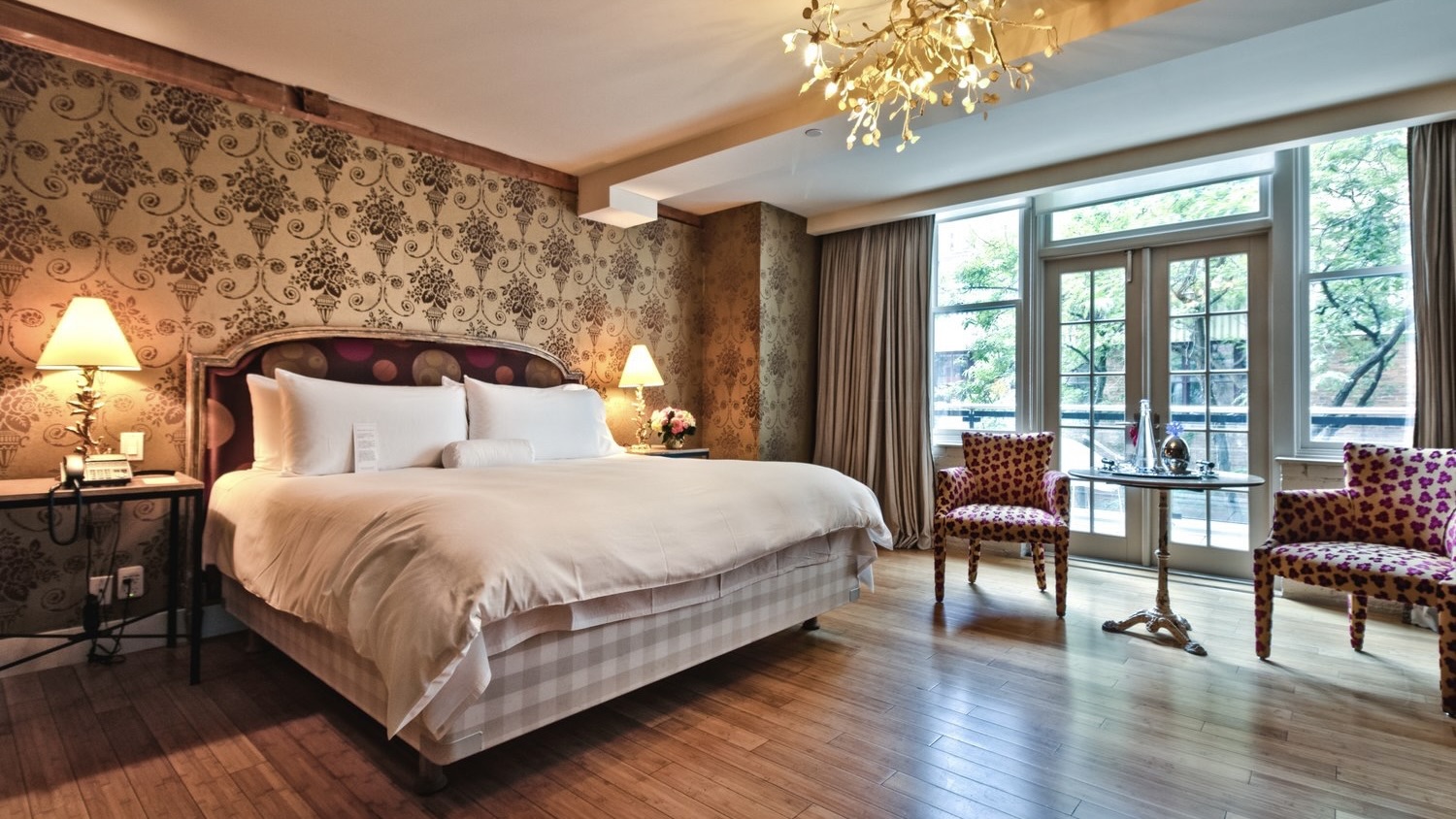
Boutique hotels in Toronto are a unique blend of luxury, style, and individuality, offering guests an experience that goes beyond the typical hotel stay. These establishments are often smaller in size, allowing for personalized service and a distinct ambiance. Designed to reflect the local culture and aesthetic, boutique hotels provide visitors with a taste of Toronto’s vibrant arts scene, culinary delights, and historical richness.
What sets boutique hotels apart from standard hotels is not just their size but also their emphasis on design, unique themes, and tailored experiences. Each hotel typically showcases local artistry, whether it’s through curated decor, themed rooms, or bespoke services that celebrate the character of the neighborhood. Guests can enjoy amenities that prioritize comfort and uniqueness, such as custom bedding, artisanal toiletries, and distinctive dining options that highlight local cuisine.
The emphasis on a personalized guest experience makes boutique hotels highly sought after.
Rise of Boutique Hotels in Toronto
The emergence of boutique hotels in Toronto can be attributed to a growing demand for unique and immersive travel experiences. Recent statistics reveal that the boutique hotel sector has seen a significant increase in popularity, with a reported growth of over 30% in the last five years alone. This trend indicates a shift in traveler preferences, with more individuals choosing boutique accommodations for their charm and character rather than opting for traditional chain hotels.Several factors contribute to this upward trend, including:
- Personalized Experiences: Guests increasingly value tailored services that cater to their specific needs, which is a hallmark of boutique hotels.
- Local Integration: Boutique hotels often engage with their surroundings, offering local experiences that chain hotels may not provide.
- Design and Aesthetic: Unique and stylish designs attract guests looking for Instagram-worthy stays that reflect their personal taste.
- Culinary Offerings: Many boutique hotels feature on-site restaurants that focus on local ingredients, enhancing the overall guest experience.
The rise of boutique hotels in Toronto reflects not only changing consumer preferences but also the city’s diverse and artistic spirit. With a mix of heritage buildings and contemporary design, these hotels are becoming landmark destinations in their own right, appealing to both tourists and locals alike.
Notable Boutique Hotels in Toronto

Toronto’s vibrant energy is perfectly mirrored in its diverse array of boutique hotels. These unique accommodations offer personalized experiences that stand out from traditional hotel chains, combining style, comfort, and local character. Travelers seeking more than just a place to sleep will find that Toronto’s boutique hotels cater to their every need while reflecting the city’s rich culture and charm.
Popular Boutique Hotels and Their Offerings
When exploring the notable boutique hotels in Toronto, guests can expect distinctive design, exceptional service, and prime locations. Here’s a look at some of the top choices that embody the essence of boutique hospitality in the city:
- The Drake Hotel: Located in the trendy West Queen West neighborhood, The Drake Hotel is known for its eclectic decor and vibrant art scene. Guests enjoy amenities such as a rooftop patio, live music events, and an on-site restaurant offering locally sourced cuisine. The hotel’s unique atmosphere fosters a community vibe, making it a favorite among locals and visitors alike.
- The Gladstone Hotel: This historic property boasts 37 uniquely designed rooms, each reflecting the work of different artists. Situated near Queen Street West, The Gladstone offers a gallery space, a cozy café, and a rooftop terrace. The hotel’s commitment to supporting local arts makes it a cultural hub, perfect for those looking to immerse themselves in Toronto’s creative scene.
- Bisha Hotel Toronto: This luxurious boutique hotel sits in the heart of the Entertainment District, featuring stylish interiors and a rooftop infinity pool with stunning city views. Bisha offers a variety of dining options, including a trendy rooftop restaurant. Its central location provides easy access to theaters, nightlife, and major attractions.
- The Thompson Hotel: Located in the King West area, The Thompson Hotel is renowned for its contemporary design and vibrant nightlife. With a rooftop bar that offers breathtaking skyline views and a stylish restaurant, this hotel attracts a fashionable crowd. It’s ideal for guests looking to experience Toronto’s energetic social scene.
- Hotel Ocho: This chic boutique hotel in Chinatown features a blend of modern and vintage decor. With spacious rooms and an inviting atmosphere, Hotel Ocho provides a cozy escape in the city. Its proximity to cultural landmarks and delicious dining options makes it a great base for exploring Toronto.
Each of these boutique hotels offers unique amenities that cater to various preferences, from art lovers to nightlife enthusiasts. Their strategic locations enhance guests’ experiences, allowing easy access to Toronto’s vibrant neighborhoods and attractions, ensuring that visitors can fully explore everything the city has to offer.
Target Audience for Boutique Hotels
Boutique hotels offer a unique experience that appeals to a variety of travelers seeking personalized service and distinctive atmospheres. Their charm and individuality attract guests who prioritize more than just a place to stay; they seek an authentic connection to the locale and a memorable experience. The target audience for boutique hotels in Toronto is diverse, spanning different demographics and preferences.Guests who favor boutique hotels often have specific expectations that set them apart from those opting for traditional accommodations.
Many are younger travelers, including millennials and Gen Z, who value experiences over material possessions. They look for accommodations that reflect local culture, history, and artistic expression. In contrast, older generations, including baby boomers, appreciate the intimacy and personalized service that boutique hotels provide.
Demographics Preferring Boutique Hotels
The demographic profile of boutique hotel guests includes a mix of age groups, but several key characteristics emerge:
- Young Professionals: Typically aged 25-40, this group often travels for work or leisure and looks for unique experiences and social opportunities.
- Couples: Many couples choose boutique hotels for romantic getaways, appreciating the intimate and personalized environments that enhance their experience.
- Creative Individuals: Artists, designers, and freelancers often seek out boutique hotels that provide inspiring environments and artistic aesthetics.
- Business Travelers: Professionals looking for comfortable yet unique accommodations that offer amenities tailored to their work needs.
Boutique hotels often cater to these distinct demographics by providing tailored experiences that resonate with their interests and lifestyles.
Preferences and Expectations of Boutique Hotel Guests
Guests who choose boutique hotels typically have high expectations regarding service and atmosphere. They prefer personalized services, such as custom welcome amenities or tailored recommendations for local activities. They also appreciate unique design elements that reflect the character of the city. Key factors influencing their preferences include:
- Local Flavor: Guests enjoy properties that showcase local art, cuisine, and culture, often seeking recommendations for nearby attractions and eateries that provide an authentic experience.
- Amenities: Beyond basic comforts, guests expect boutique hotels to offer distinctive amenities, such as artisanal breakfast options, wellness programs, or curated events and workshops.
- Atmosphere: The ambiance is crucial; guests are drawn to visually appealing spaces that provide a sense of comfort and luxury.
By fulfilling these expectations, boutique hotels are able to create lasting impressions on their guests.
Catering to Specific Niches
Boutique hotels are particularly adept at catering to niche markets, such as:
- Business Travelers: Many boutique hotels offer business-friendly amenities like high-speed internet, meeting spaces, and flexible check-in/out options. They often create a professional yet relaxed atmosphere that allows travelers to blend work and leisure.
- Romantic Getaways: Tailored packages for couples, including spa services, private dining options, and cozy, romantic room setups, attract guests looking for special experiences.
- Wellness Enthusiasts: Some boutique hotels incorporate wellness themes, offering fitness classes, spa treatments, and health-focused dining options to cater to health-conscious travelers.
By focusing on these specific niches, boutique hotels in Toronto can effectively enhance guest satisfaction and loyalty, ensuring that each stay is as unique as the individuals who choose them.
Design and Aesthetics of Boutique Hotels
Boutique hotels are celebrated for their unique design and aesthetics, which often set them apart from traditional accommodations. Each hotel offers a distinctive visual narrative that reflects the city’s culture, history, and local art scene. In Toronto, this is particularly evident, where creativity flourishes in every corner, making boutique hotels not just places to stay but immersive experiences.The design themes commonly found in boutique hotels often revolve around a blend of modernity and local heritage.
Many hotels utilize open layouts that create a seamless flow between spaces, often incorporating large windows to flood rooms with natural light. Color palettes tend to be carefully curated, balancing bold, vibrant hues with more subdued tones to create a welcoming atmosphere. Unique furniture choices, handmade decor elements, and artistic installations contribute to each hotel’s personality, making them visually appealing and memorable.
Innovative Architectural Styles in Toronto’s Boutique Hotels
Toronto’s boutique hotels showcase a variety of innovative architectural styles that reflect both contemporary trends and historical influences. For instance, the iconic Gladstone Hotel stands out with its Victorian architecture, featuring a stunning blend of historical preservation and modern artistry. The hotel offers individually designed rooms, each reflecting the vision of a different artist. Similarly, the Drake Hotel combines a modern aesthetic with traditional elements, creating a vibrant social hub that attracts both locals and visitors.Another notable example is The Beverley Hotel, with its sleek, minimalist design and emphasis on sustainable materials.
This approach not only highlights aesthetic appeal but also aligns with current environmental concerns, appealing to eco-conscious travelers. The One Hotel Toronto, which focuses on biophilic design, incorporates natural elements throughout its architecture, blurring the lines between indoor and outdoor spaces. The use of living walls, natural materials, and organic shapes enhances the overall guest experience while promoting wellness.
Local Artists and Designers in Hotel Decor
The involvement of local artists and designers in hotel decor adds a personal touch and a sense of community to Toronto’s boutique hotels. These collaborations often result in stunning pieces that reflect the city’s artistic vibrancy. The integration of local talent not only supports the arts community but also enriches the guest experience by showcasing the work of those who live and create in the city.Some notable local artists and designers associated with boutique hotels in Toronto include:
- Shary Boyle – A contemporary artist known for her unique sculptures and installations, featured at the Gladstone Hotel.
- Janet Echelman – Renowned for her breathtaking installations that transform hotel spaces into immersive art experiences.
- Jesse Harris – A designer whose furniture pieces and decor items can be found in various boutique hotels, adding a modern flair.
- Jinny Yu – An artist whose vibrant paintings and mixed media works contribute to the ambiance of several hotels in the city.
These artists not only enhance the aesthetic appeal of boutique hotels but also provide guests with an authentic taste of Toronto’s dynamic art scene.
Experiences Offered by Boutique Hotels
Boutique hotels in Toronto have earned a reputation for curating unique and memorable experiences tailored to their guests’ interests. Unlike larger hotel chains, these smaller establishments often emphasize personalization and creativity, resulting in packages that go beyond traditional lodging. From culinary adventures to cultural excursions, boutique hotels provide distinctive offerings that enhance the overall stay.Many boutique hotels in Toronto curate exclusive experiences that cater to various interests.
Guests can find personalized wellness retreats, immersive local tours, or art-inspired packages that showcase the city’s vibrant culture. These experiences go hand-in-hand with thoughtful service, ensuring that each visitor feels welcomed and valued.
Unique Packages and Guest Stories
To illustrate the creativity behind boutique hotel experiences, several notable packages and testimonials from guests highlight the appeal of these offerings. Guests often share stories about their stays, emphasizing how unique experiences complemented their visit to Toronto.A popular boutique hotel, for instance, offers a “Culinary Discovery Package.” This package includes a cooking class with a local chef, a guided tour of a local farmers’ market, and a gourmet dinner at the hotel’s restaurant.
Guests rave about the opportunity to engage with local flavors and learn hands-on cooking techniques, often mentioning that it was one of the highlights of their trip.Another hotel features a “Wellness Escape Package,” which includes yoga classes, spa treatments, and healthy dining options crafted by nutritionists. One guest remarked, “The tranquility of the hotel combined with the wellness activities rejuvenated my spirit.
It was the perfect getaway!”Below is a table summarizing various experiences available at different boutique hotels in Toronto, showcasing the diversity of offerings:
| Hotel Name | Experience Package | Description |
|---|---|---|
| The Drake Hotel | Culinary Discovery Package | Cooking class, market tour, and gourmet dinner. |
| Gladstone Hotel | Art & Culture Package | Art gallery tickets and a guided city tour focused on local art. |
| The Beverley Hotel | Wellness Escape Package | Yoga classes, spa treatments, and health-focused dining. |
| Thompson Toronto | Luxury Rooftop Experience | Sip handcrafted cocktails while enjoying stunning city views. |
| Hotel Ocho | Romantic Getaway | Candlelit dinner and a bottle of wine in-room service. |
These offerings enhance the boutique hotel experience, allowing guests to connect more deeply with the local culture and enjoy a stay that goes beyond the ordinary. Such personal touches and curated experiences help create lasting memories, making boutique hotels a preferred choice for both tourists and locals alike.
The Impact of Boutique Hotels on Local Culture
Boutique hotels play a pivotal role in enhancing and enriching the local culture of Toronto. They are not just places to stay, but vibrant hubs that connect visitors with the essence of the city. By their very nature, these establishments embrace the unique characteristics of their surroundings, fostering a sense of community while contributing to the local economy.Boutique hotels significantly contribute to the local economy and community through various channels.
They create jobs, support local businesses, and attract tourism, which in turn enhances the overall economic landscape. With a focus on personalized service and distinctive experiences, these hotels encourage guests to explore local dining, shopping, and cultural attractions, which benefits small businesses and artisans. This symbiotic relationship between boutique hotels and local enterprises is crucial in sustaining Toronto’s dynamic economy.
Partnerships with Local Businesses and Artists, Boutique hotels in toronto
Boutique hotels often establish partnerships with local businesses and artists, creating a unique cultural synergy that enriches the guest experience. These collaborations can take numerous forms, such as:
- Art Displays: Many boutique hotels showcase works from local artists, providing them with a platform to reach a wider audience while enhancing the aesthetic appeal of the hotel. This not only beautifies the space but also creates an ever-changing gallery for guests to enjoy.
- Local Cuisine: By collaborating with nearby restaurants and food artisans, boutique hotels often offer curated dining experiences that highlight the region’s culinary diversity. Guests can enjoy fresh, locally-sourced ingredients prepared in unique styles that reflect Toronto’s multicultural heritage.
- Community Events: Hotels frequently host or sponsor local events, from art exhibitions to music festivals. These initiatives foster community spirit and attract both locals and visitors, enhancing cultural vibrancy.
Promotion of Cultural Events and Festivals
Boutique hotels are instrumental in promoting Toronto’s rich array of cultural events and festivals. By aligning themselves with these happenings, they not only boost their visibility but also contribute to the overall cultural fabric of the city. Notable contributions include:
- Festival Packages: Many boutique hotels offer special packages and deals during major festivals, encouraging guests to partake in events such as the Toronto International Film Festival or Nuit Blanche. These offerings help to draw visitors to the city and increase attendance at cultural events.
- Event Collaborations: Boutique hotels partner with festival organizers to provide venues for events, workshops, and showcases. This collaboration enhances the festival experience for attendees and supports local artists and creators.
- Marketing Support: By promoting cultural events through their platforms, boutique hotels help to increase awareness and participation, ensuring that such events thrive and continue to enrich the local culture.
Booking and Pricing Trends
The boutique hotel scene in Toronto has been undergoing significant shifts in pricing and booking trends, influenced by various factors such as seasonality, local events, and the ever-changing travel landscape. Understanding these trends can help travelers make informed decisions when planning their stay.Current pricing trends for boutique hotels in Toronto have shown a notable fluctuation based on demand, local events, and the time of year.
As of 2023, rates tend to be highest during peak tourist seasons, typically from May to September, and during major local events such as the Toronto International Film Festival (TIFF) in September. On average, room prices for boutique hotels can range anywhere from CAD 150 to CAD 600 per night, depending on location, amenities, and design uniqueness.
Finding the Best Deals for Bookings
Exploring various strategies can lead to finding the most appealing deals for boutique hotel bookings in Toronto. Here are some effective tips:
- Book Early: Securing your room several months in advance can often yield lower rates.
- Sign Up for Alerts: Many hotel websites and booking platforms offer price alerts for specific properties.
- Use Comparison Sites: Websites like Kayak or Trivago can help compare prices across various booking platforms.
- Check for Package Deals: Sometimes, booking flights and hotels together can result in added discounts.
- Follow Social Media: Hotels often share exclusive discounts and promotions on their social media platforms.
To illustrate the impact of seasonality on pricing, here’s a table comparing average rates for boutique hotels in Toronto across different seasons:
| Season | Average Nightly Rate (CAD) |
|---|---|
| Winter (Dec – Feb) | 150 – 250 |
| Spring (Mar – May) | 200 – 350 |
| Summer (Jun – Aug) | 250 – 600 |
| Fall (Sep – Nov) | 200 – 400 |
The table shows the average nightly rates categorized by season, highlighting the peak pricing during summer and the Toronto International Film Festival, making it crucial for travelers to plan strategically.
Future Trends in Boutique Hotels
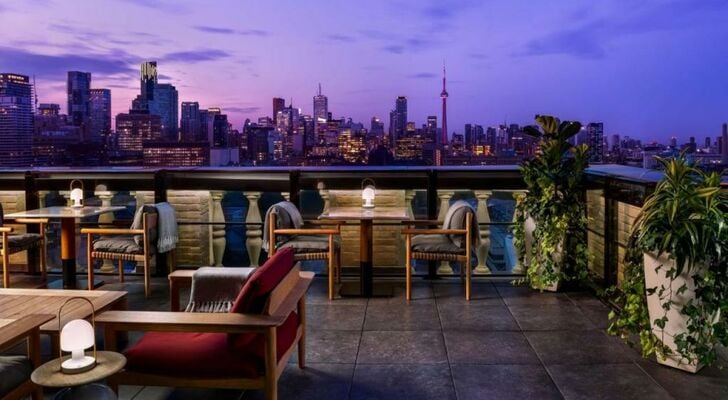
The landscape of boutique hotels is constantly evolving, with innovative designs and services emerging to enhance the guest experience. As travelers seek unique and personalized accommodations, boutique hotels are adapting to meet these demands through creative approaches and forward-thinking trends. This segment explores the anticipated trends shaping the future of boutique hotels, including design evolution, technological enhancements, and a strong commitment to sustainability.
Upcoming Trends in Boutique Hotel Designs and Services
The design and service offerings of boutique hotels are set to undergo significant transformations aimed at creating more immersive and individualized experiences for guests. Modern travelers are increasingly drawn to hotels that not only provide a place to stay but also reflect the culture and character of the surrounding area.
- Local Art Integration: Many boutique hotels are collaborating with local artists to display unique works throughout their spaces, creating an authentic connection to the community.
- Flexible Spaces: The design of communal areas is moving towards versatility, incorporating multipurpose spaces that can be used for relaxation, socializing, or work, catering to diverse guest needs.
- Personalized Amenities: Boutique hotels are focusing on curating unique experiences, offering customized welcome gifts, tailored dining options, and experiences that resonate with guests’ preferences.
- Wellness Retreats: An emphasis on wellness is emerging, with hotels providing amenities like yoga studios, healthy dining options, and wellness packages that cater to health-conscious travelers.
Influence of Technology in Enhancing Guest Experiences
Technology plays a pivotal role in enhancing the guest experience in boutique hotels, providing convenience and personalization that modern travelers expect. The integration of advanced tech solutions is transforming traditional hospitality practices, making stays more enjoyable and streamlined.
- Mobile Check-In and Smart Room Controls: Many boutique hotels are adopting mobile technology to allow guests to check in seamlessly via their smartphones, with the added convenience of controlling room settings, such as lighting and temperature, through apps.
- Artificial Intelligence and Chatbots: The use of AI-driven chatbots for instant guest assistance is on the rise, providing 24/7 support for inquiries and requests, thus enhancing customer service.
- Virtual Reality Tours: Offering virtual reality experiences can allow potential guests to explore the hotel and its amenities before booking, making decision-making easier and more engaging.
- Smart Technology Integrations: Incorporating smart mirrors, voice-activated devices, and high-speed internet connectivity in rooms enhances comfort and convenience for guests.
Comparison of Boutique Hotels’ Approaches to Sustainability and Eco-Friendliness
Sustainability is becoming a core value for boutique hotels as they recognize the importance of environmental responsibility. With travelers increasingly prioritizing eco-friendly options, boutique hotels are implementing innovative practices to reduce their carbon footprint and promote sustainability.
- Locally Sourced Materials: Many boutique hotels are focusing on using local and sustainable materials in their construction and decor, which not only supports local businesses but also minimizes transportation emissions.
- Energy-Efficient Designs: Incorporating solar panels, green roofs, and energy-efficient appliances is becoming common, helping reduce energy consumption and promote eco-friendliness.
- Water Conservation Efforts: Implementing systems for water recycling and minimizing waste, such as using low-flow fixtures and promoting linen reuse programs, is a priority for many boutique hotels.
- Community Engagement: Boutique hotels are increasingly collaborating with local conservation organizations to support environmental initiatives and educate guests on sustainable practices.
“Embracing sustainability and technology allows boutique hotels to not only enhance guest experiences but also contribute positively to the environment and local culture.”
FAQ Insights
What defines a boutique hotel?
A boutique hotel is characterized by its small size, unique design, personalized service, and often a local or thematic focus that sets it apart from standard hotels.
Are boutique hotels expensive compared to traditional hotels?
While some boutique hotels may be priced higher due to their unique offerings, many provide competitive rates, especially when considering the personalized service and amenities included.
What amenities can I expect in Toronto’s boutique hotels?
Expect amenities such as free Wi-Fi, gourmet dining options, customized concierge services, and sometimes unique experiences like art tours or local workshops.
How do I find the best deals for boutique hotels in Toronto?
Look for seasonal promotions, membership discounts, and book directly through the hotel’s website for exclusive offers and packages.
Are boutique hotels suitable for families?
Many boutique hotels cater to families with family-friendly amenities, spacious rooms, and activities that are enjoyable for guests of all ages.
